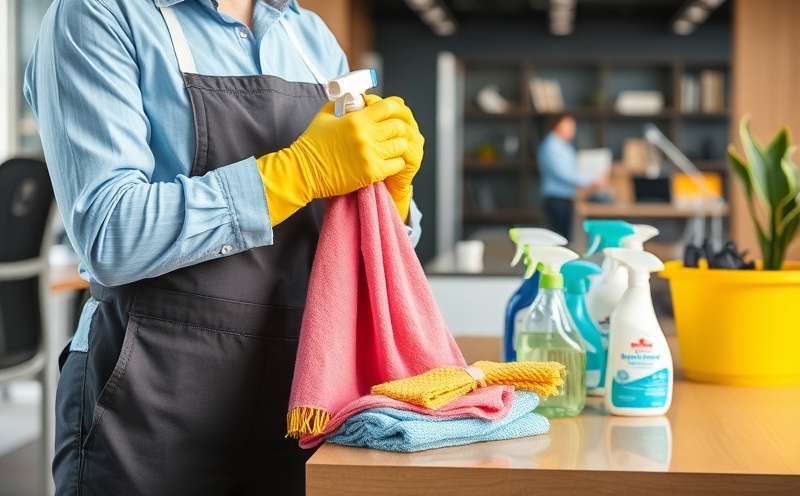
Professional Office Cleaning: Best Practices for Commercial Success
Maintaining a clean office environment is essential for business success, employee productivity, and professional reputation. Whether you manage office cleaning in-house or use commercial cleaning services, understanding office cleaning best practices ensures your workspace remains pristine and healthy.
Why Office Cleaning Best Practices Matter
Professional office cleaning practices benefit your business by:
- Creating a professional appearance that impresses clients
- Reducing employee sick days and improving health
- Extending the lifespan of office furniture and equipment
- Maintaining workplace morale and employee satisfaction
- Ensuring regulatory compliance in specialized offices
- Protecting your investment in office infrastructure
Essential Office Cleaning Best Practices
1. Develop a Comprehensive Office Cleaning Schedule
Daily Office Cleaning Tasks:
- Empty trash and recycle bins
- Wipe down high-touch surfaces (door handles, light switches)
- Sweep and spot-clean office floors
- Sanitize restrooms and break rooms
- Clean up common areas
- Quick desk tidying in shared spaces
- Restroom restocking (soap, paper towels, toilet paper)
Weekly Office Cleaning Tasks:
- Mop office floors thoroughly
- Vacuum carpeted office areas
- Clean interior windows and glass surfaces
- Sanitize all light switches and door handles
- Deep clean break rooms and kitchens
- Clean conference room furniture
- Dust office furniture and surfaces
- Empty trash more frequently
Monthly Office Cleaning Tasks:
- Deep carpet shampooing and extraction
- Strip and wax office floors
- Clean high office surfaces and ceiling fixtures
- Sanitize office equipment and electronics
- Professional window washing
- Deep clean all office furniture
- Grout cleaning in restrooms
- Professional office deep cleaning
Quarterly Office Cleaning Tasks:
- Pressure wash building exterior
- Clean gutters and drainage systems
- Power wash parking areas
- Professional carpet deep extraction
- Clean air vents and HVAC systems
- Deep sanitization of entire office space
2. Focus on High-Touch Surfaces in Office Cleaning
Professional office cleaning prioritizes surfaces touched frequently:
- Door handles and push plates
- Light switches
- Desk surfaces and keyboards
- Break room appliances and handles
- Restroom fixtures (sinks, toilets, faucets)
- Elevator buttons
- Stair railings
- Conference room tables and chairs
- Shared equipment (printers, copiers)
- Phone handsets
High-touch surfaces require:
- Multiple sanitizations per day
- Hospital-grade disinfectants
- Professional application techniques
- Proper dwell time for effectiveness
- Regular inspection and touch-ups
3. Use Professional Office Cleaning Equipment and Supplies
Professional office cleaning requires specialized tools:
Professional Cleaning Equipment:
- Commercial-grade vacuum systems
- Industrial floor buffers and scrubbers
- Professional carpet extraction machines
- HEPA filtration systems
- Commercial-grade mop systems
- Microfiber cleaning cloths
- Professional spray systems
- Pressure washing equipment
Professional Cleaning Supplies:
- Hospital-grade disinfectants
- Eco-friendly office cleaning products
- Specialized floor care products
- Professional glass cleaners
- Enzyme-based sanitizers
- Microfiber cleaning materials
- Professional-grade trash liners
Using professional office cleaning supplies ensures:
- Effective pathogen elimination
- Longer-lasting cleanliness results
- Better protection for office materials
- Environmental responsibility
- Employee health and safety
4. Implement Proper Office Cleaning Techniques
Floor Care and Office Cleaning:
- Sweep before mopping to remove debris
- Use appropriate mop techniques for floor type
- Apply correct solution-to-water ratios
- Allow proper drying time
- Buff or polish for professional appearance
- Strip and wax on regular schedules
- Use microfiber mop heads for efficiency
Restroom Office Cleaning:
- Clean from top to bottom
- Sanitize all surfaces with appropriate disinfectants
- Allow proper dwell time for effectiveness
- Clean mirrors streak-free
- Stock supplies consistently
- Empty trash regularly
- Professional grout cleaning for tiles
- Deodorize professionally
Common Area Office Cleaning:
- Dust all surfaces, including high areas
- Clean windows and glass thoroughly
- Sanitize all touch points
- Organize and arrange furniture
- Professional carpet cleaning and extraction
- Organized clutter removal
- Professional air freshening
Office Equipment Cleaning:
- Shutdown and unplug before cleaning
- Use appropriate cleaning solutions (check manufacturer guidelines)
- Clean keyboards and computer surfaces
- Wipe phone handsets and receivers
- Clean printer and copier exteriors
- Professional electronics cleaning
- Avoid liquid near electronic components
5. Establish Office Cleaning Standards and Inspection
Professional office cleaning requires:
- Written office cleaning standards
- Detailed cleaning checklists
- Regular inspections by office managers
- Professional quality control reviews
- Performance metrics and expectations
- Documentation of cleaning activities
- Client feedback and adjustments
- Continuous improvement processes
6. Manage Office Cleaning Supplies Effectively
Professional supply management includes:
- Inventory tracking of cleaning supplies
- Efficient supply ordering and delivery
- Proper storage of chemicals and cleaners
- MSDS sheet maintenance for safety
- Cost-effective supply purchasing
- Waste reduction and recycling
- Professional supply organization
- Compliance with safety regulations
Industry-Specific Office Cleaning Best Practices
Law Office Cleaning Best Practices
- Confidential document handling protocols
- Professional appearance for client meetings
- Discreet office cleaning services
- High-touch surface sanitization
- Secure waste disposal procedures
- Conference room cleanliness standards
- Professional law office environment
Medical Office Cleaning Best Practices
- HIPAA-compliant office cleaning protocols
- Hospital-grade sanitization techniques
- Professional infection control measures
- Medical-grade disinfection standards
- Specialized equipment cleaning expertise
- Patient area sanitization protocols
- Professional healthcare cleaning
Dental Office Cleaning Best Practices
- Clinical environment sanitization
- Aerosol management and cleaning
- Operatory area specialized cleaning
- Professional medical-grade disinfection
- Dental equipment area protocols
- Professional clinical standards
- Infection prevention procedures
Corporate Office Cleaning Best Practices
- Professional appearance maintenance
- Employee workspace organization
- Break room sanitation standards
- Conference room readiness
- Common area professional appearance
- Regular deep office cleaning
- Professional janitorial support
Common Office Cleaning Mistakes to Avoid
Inadequate Sanitization:
- Using insufficient disinfectant
- Not allowing proper dwell time
- Skipping high-touch surfaces
- Inconsistent sanitization frequency
- Using ineffective cleaning products
Poor Equipment Maintenance:
- Not cleaning office cleaning equipment
- Using worn-out tools and cloths
- Failing to replace filters regularly
- Not maintaining specialized equipment
- Using damaged or malfunctioning tools
Improper Cleaning Order:
- Cleaning low surfaces before high surfaces
- Sweeping after mopping
- Not following logical progression
- Disrupting office operations unnecessarily
- Inefficient workflow patterns
Ignoring Industry Requirements:
- Not following HIPAA protocols
- Skipping specialized cleaning needs
- Not understanding regulatory requirements
- Inadequate staff training
- Missing industry-specific standards
Professional Office Cleaning vs. In-House Solutions
In-House Office Cleaning Challenges:
- Staff training and consistency issues
- Time away from primary job duties
- Equipment and supply costs
- Liability and compliance concerns
- Quality control difficulties
- Scalability limitations
Professional Commercial Cleaning Services Benefits:
- Specialized training and expertise
- Consistent, reliable office cleaning
- Professional equipment and supplies
- Industry-specific knowledge
- Quality control and accountability
- Flexibility and scalability
- Cost-effective solutions
- Compliance expertise
Professional commercial cleaning services ensure office cleaning best practices without the burden of in-house management.
Creating an Office Cleaning Budget
Professional office cleaning costs typically include:
- Daily janitorial services: $500-$2,000+ monthly
- Weekly commercial cleaning: $300-$1,500 monthly
- Monthly deep office cleaning: $200-$1,000 monthly
- Specialized protocols: Additional $100-$500 monthly
- Special projects: Project-based pricing
Factors affecting office cleaning costs:
- Office size and layout
- Frequency of professional office cleaning
- Type of flooring and surfaces
- Industry-specific requirements
- Specialized equipment needs
- Geographic location
- Additional services requested
Implementing Office Cleaning Best Practices
Step 1: Assess Your Office Cleaning Needs
- Evaluate current office cleaning standards
- Identify problematic areas
- Note industry-specific requirements
- Determine cleaning frequency needs
- Assess employee and client expectations
Step 2: Develop an Office Cleaning Plan
- Create detailed cleaning procedures
- Establish cleaning schedules
- Assign responsibilities
- Allocate budget
- Set quality standards
- Plan for inspections
Step 3: Select Appropriate Supplies and Equipment
- Choose professional office cleaning products
- Acquire necessary equipment
- Ensure safety compliance
- Plan for maintenance
- Budget for replacements
- Consider eco-friendly options
Step 4: Train Staff or Hire Professionals
- Develop comprehensive training program
- Establish standard procedures
- Document all protocols
- Create accountability system
- Or hire professional commercial cleaning services
- Implement quality control
Step 5: Monitor and Maintain Standards
- Conduct regular inspections
- Track cleaning activities
- Gather feedback
- Adjust procedures as needed
- Maintain equipment
- Continuously improve processes
The Future of Office Cleaning
Emerging office cleaning trends include:
- Eco-friendly and sustainable office cleaning products
- Advanced sanitization technologies
- AI-powered cleaning efficiency tools
- Touchless and automated office cleaning solutions
- Health-focused disinfection protocols
- Professional janitorial innovations
- Data-driven cleaning optimization
Conclusion: Professional Office Cleaning Best Practices
Maintaining clean office spaces requires consistent effort, professional techniques, and appropriate resources. Whether managing office cleaning in-house or using professional commercial cleaning services, following these best practices ensures:
- Healthy, productive work environments
- Professional business appearance
- Regulatory compliance
- Extended asset lifespan
- Employee satisfaction and retention
- Cost-effective operations
- Strong business reputation
Ready to implement professional office cleaning best practices? Contact Apex Cleaning Services for expert guidance on maintaining spotless, healthy office environments through proven cleaning techniques and professional janitorial services.